
















Art as Witness, Inheritance, and Resistance
My work begins with memory — specifically, the kind that arrives broken, rearranged, sometimes erased entirely. As a queer Japanese-Filipinx American artist raised in San Francisco's Ping Yuen public housing, I grew up between worlds before I had language for it: not fully Japanese, not fully Filipino, not Catholic, not Buddhist, bused across the city and back every day. I inherit both rupture and resilience — family stories fragmented by war, colonialism, silence, and diaspora. My work doesn't romanticize that. It witnesses it.
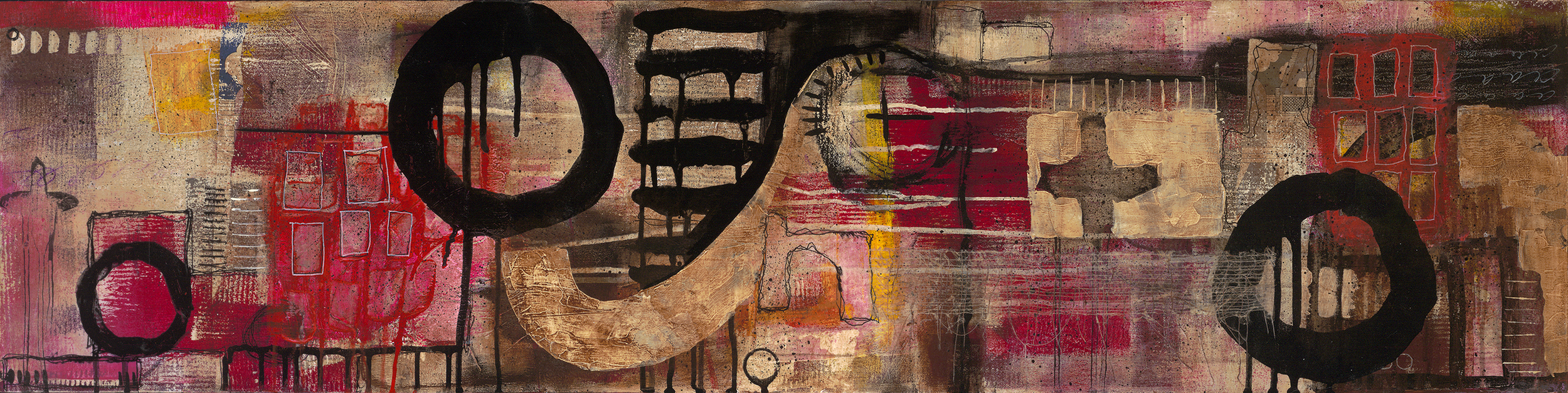
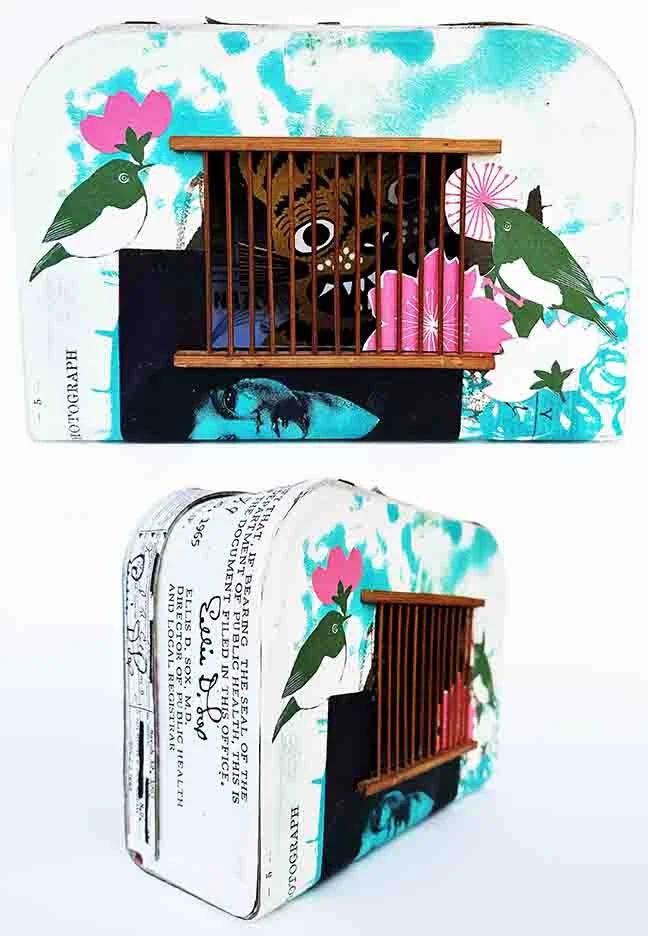
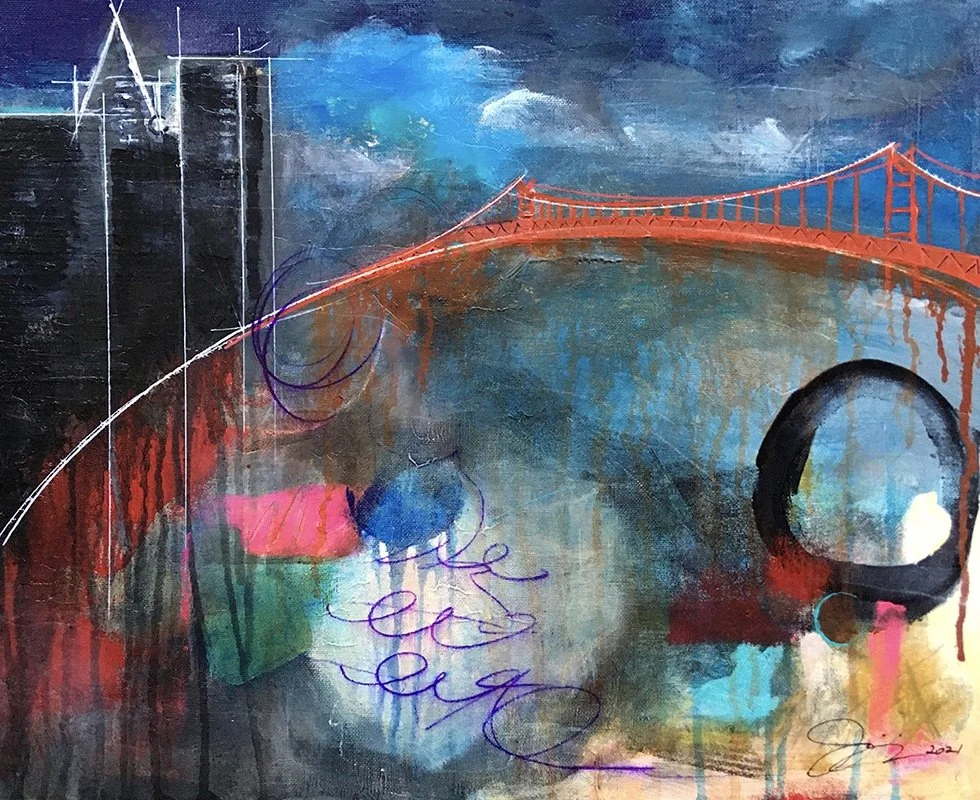
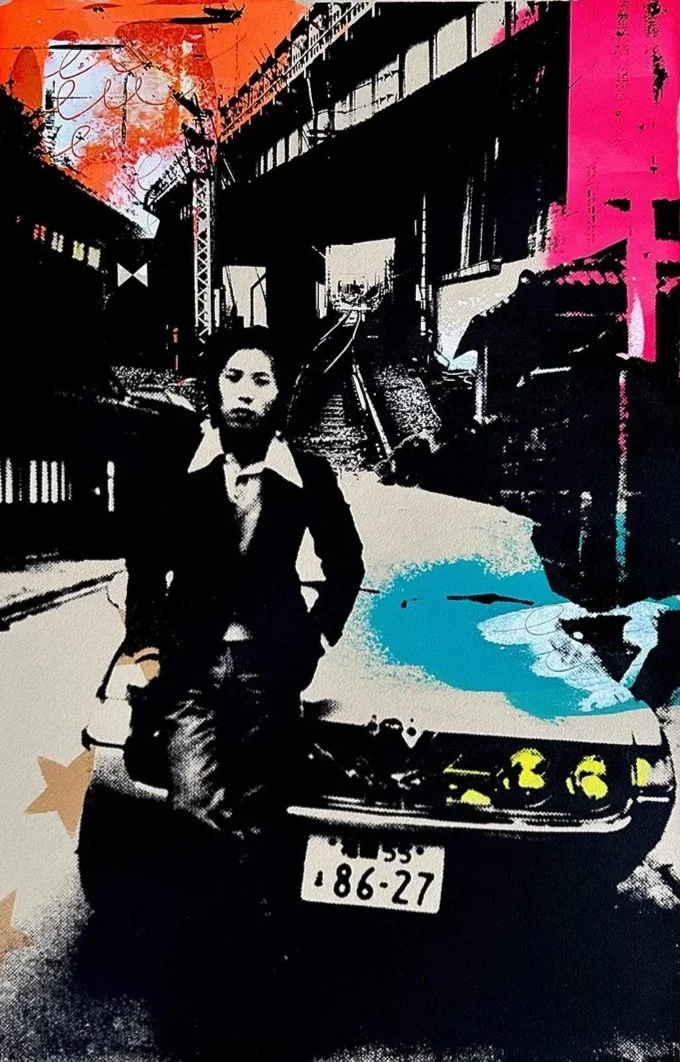
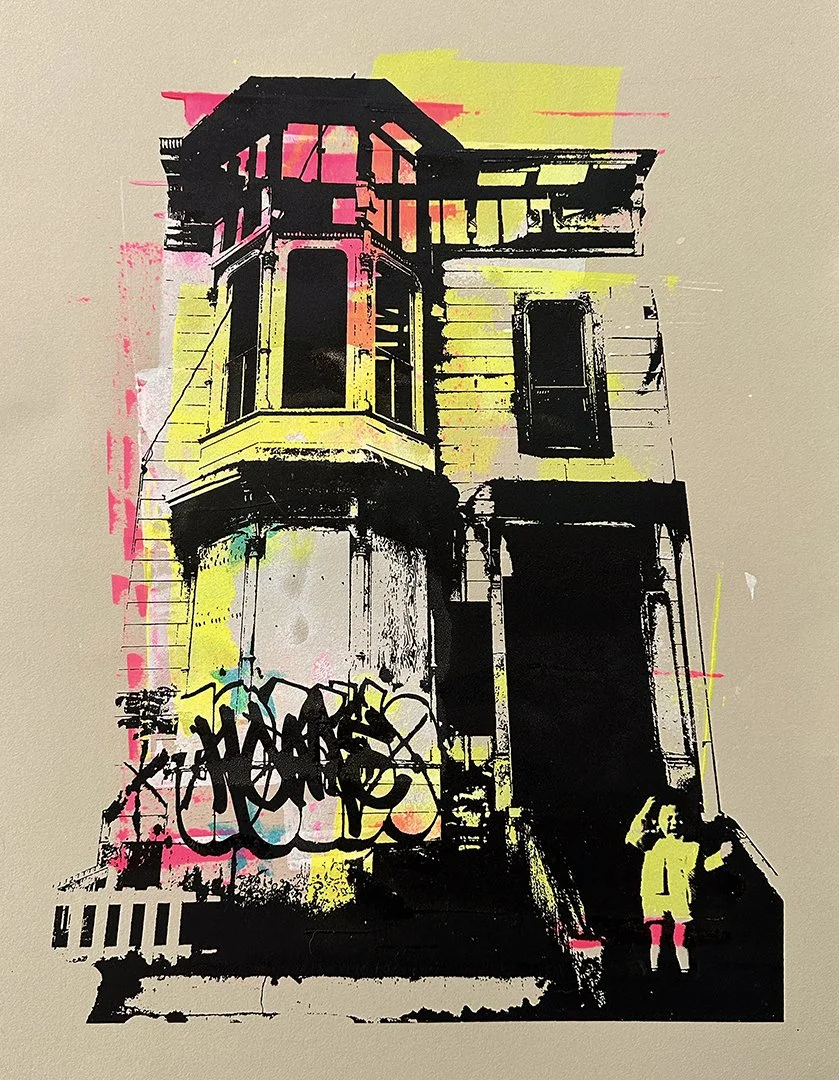
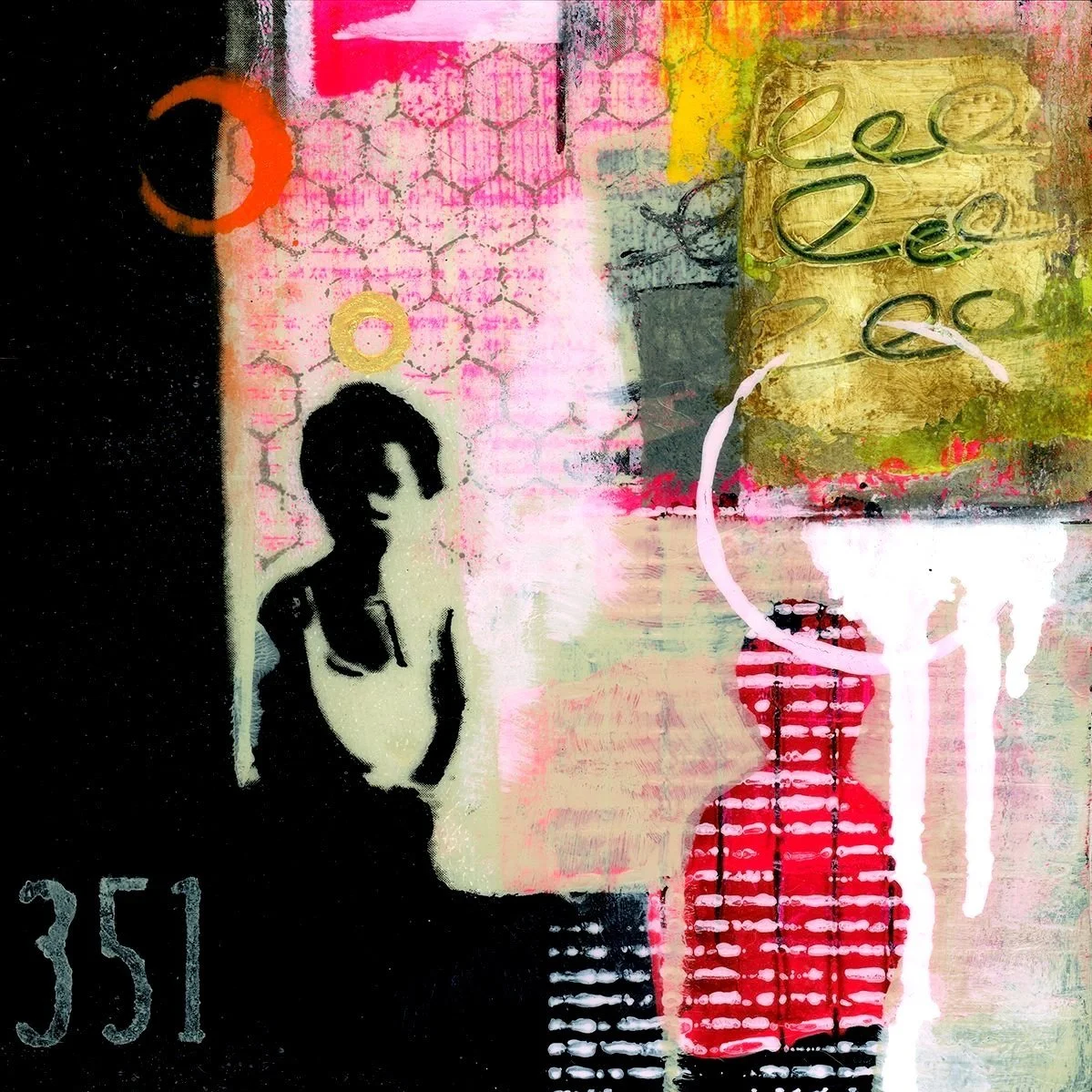
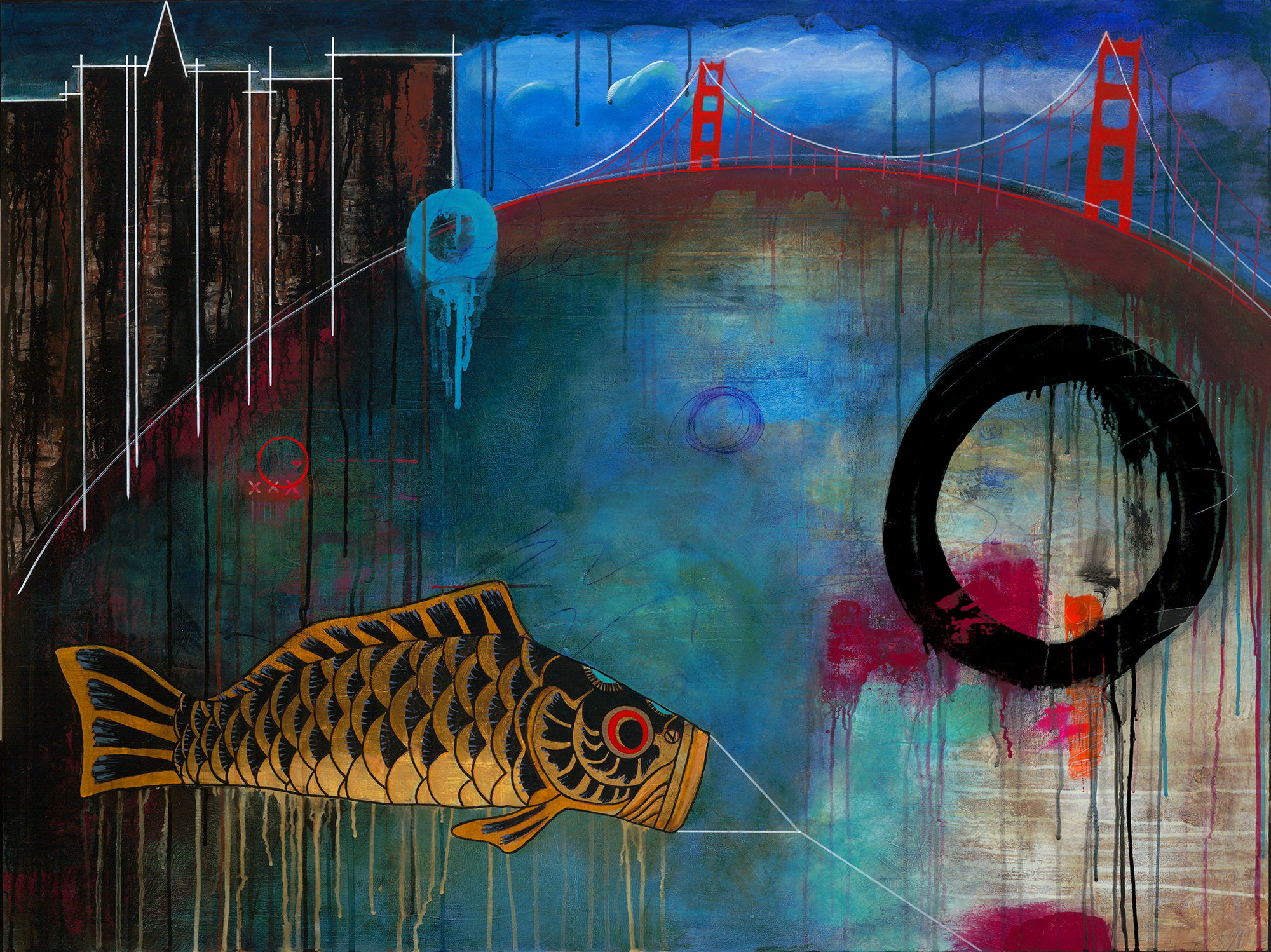
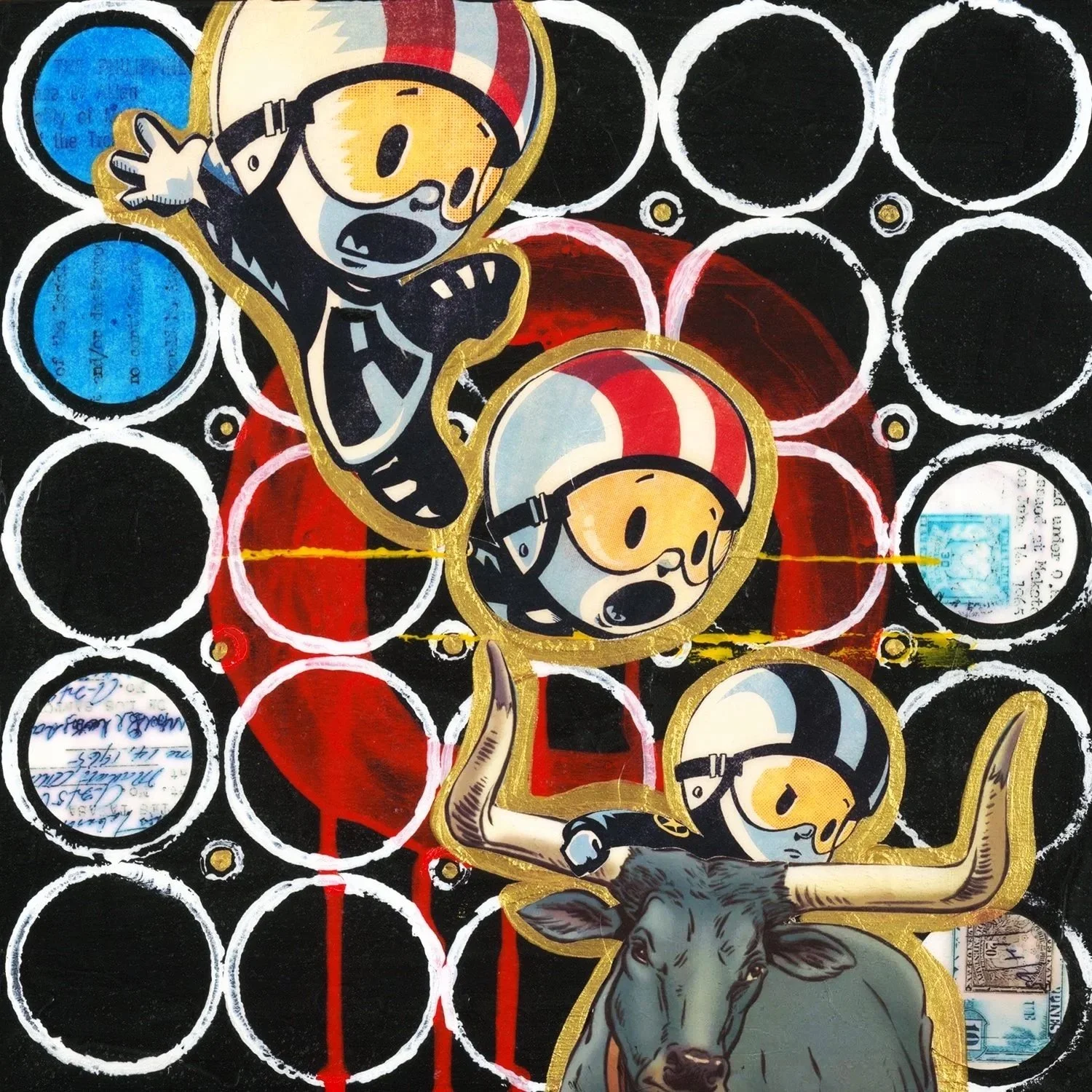
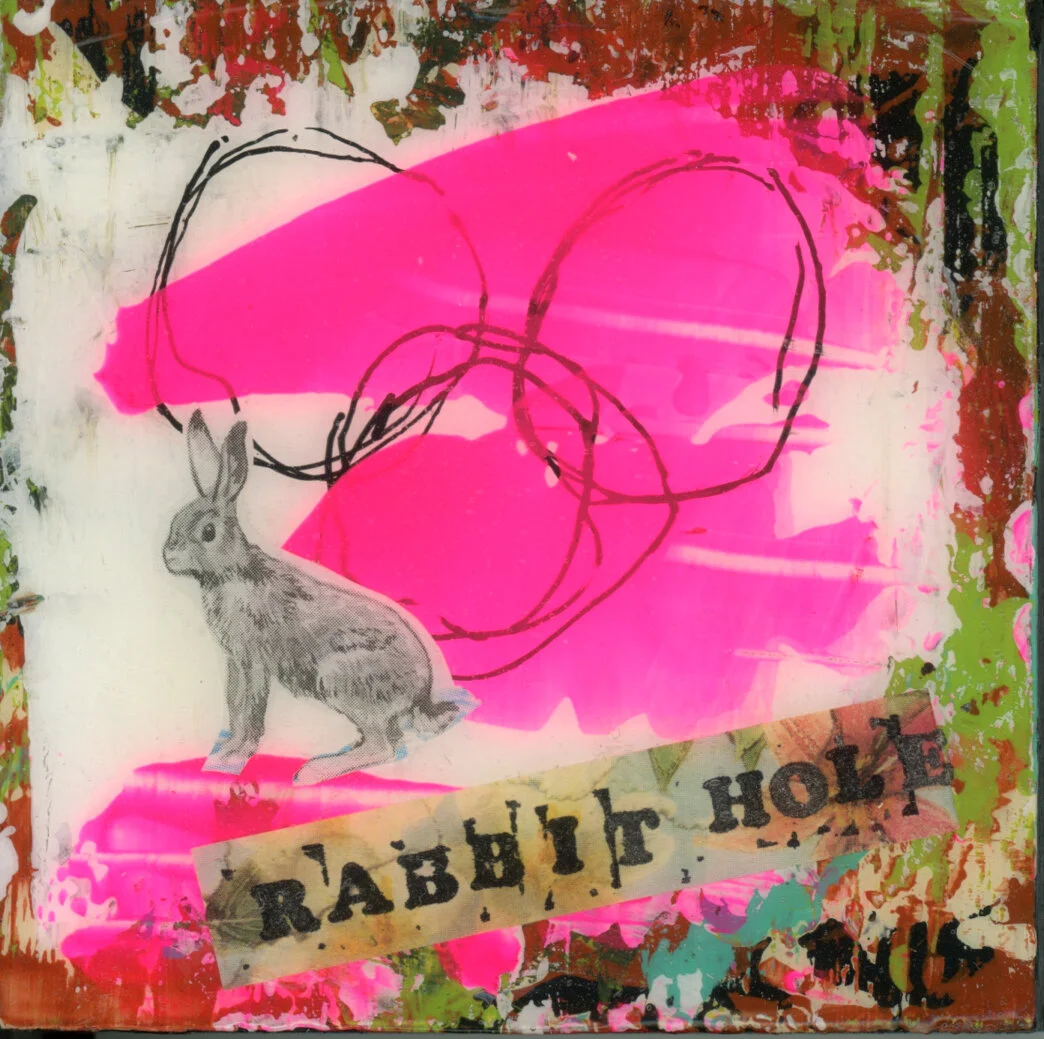
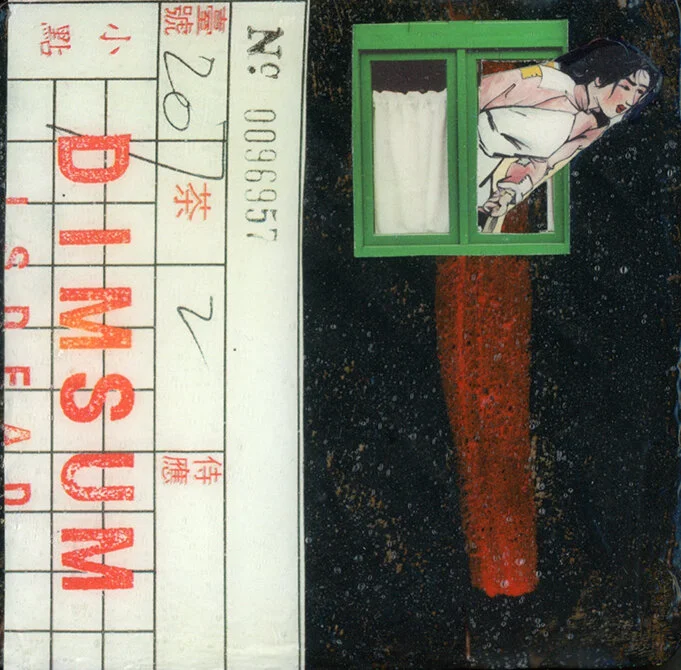
I work across painting, printmaking, and mixed-media assemblage, transforming ordinary domestic objects — recipes, kitchen tools, textiles, found materials — into vessels of remembrance. Every object was something before it became art; my hands are one layer in a longer history, not the end of it. My large-scale altars extend this practice into installation: living archives where found objects, each already carrying someone else's history, are adapted, recombined, and kept in conversation with the present.
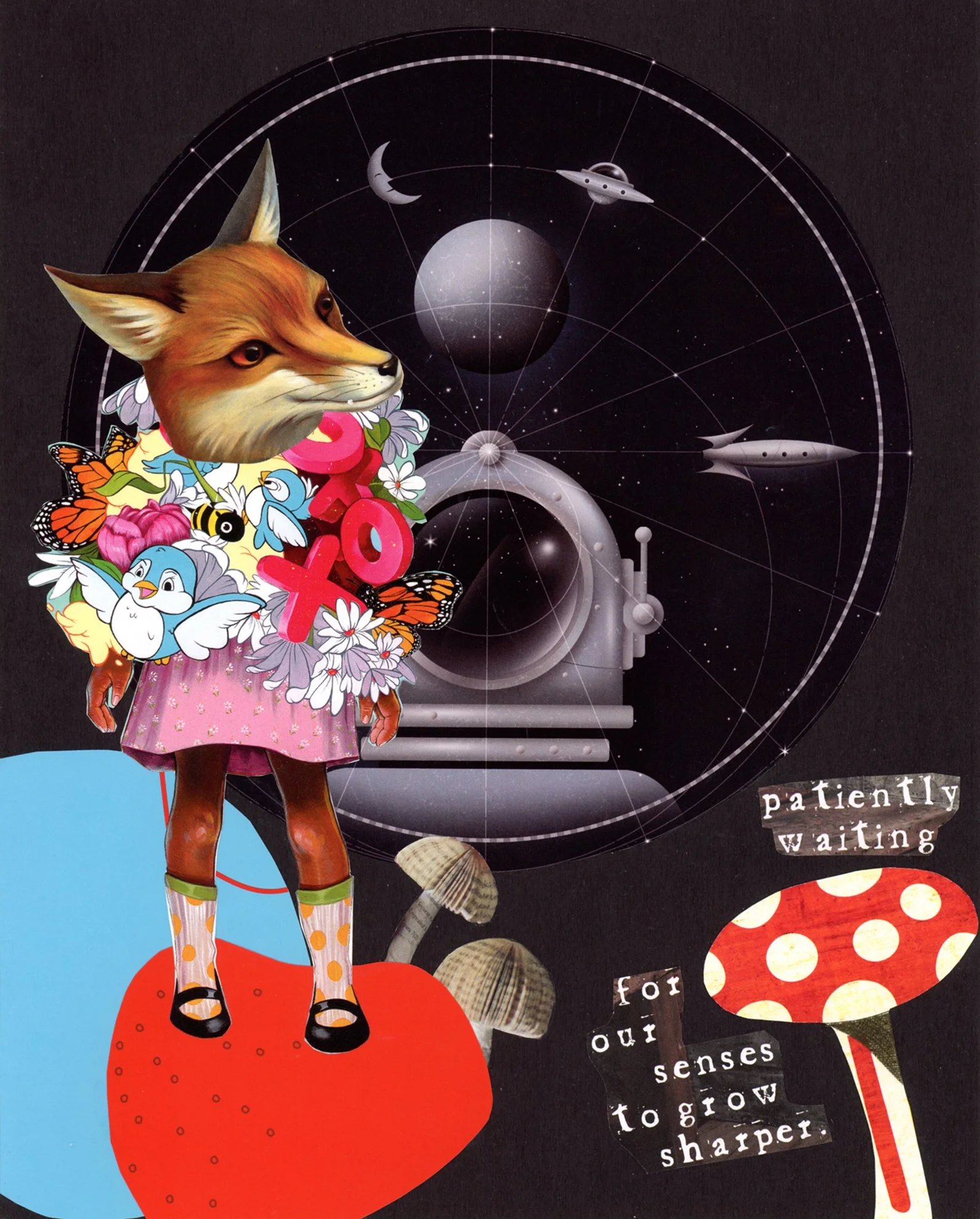
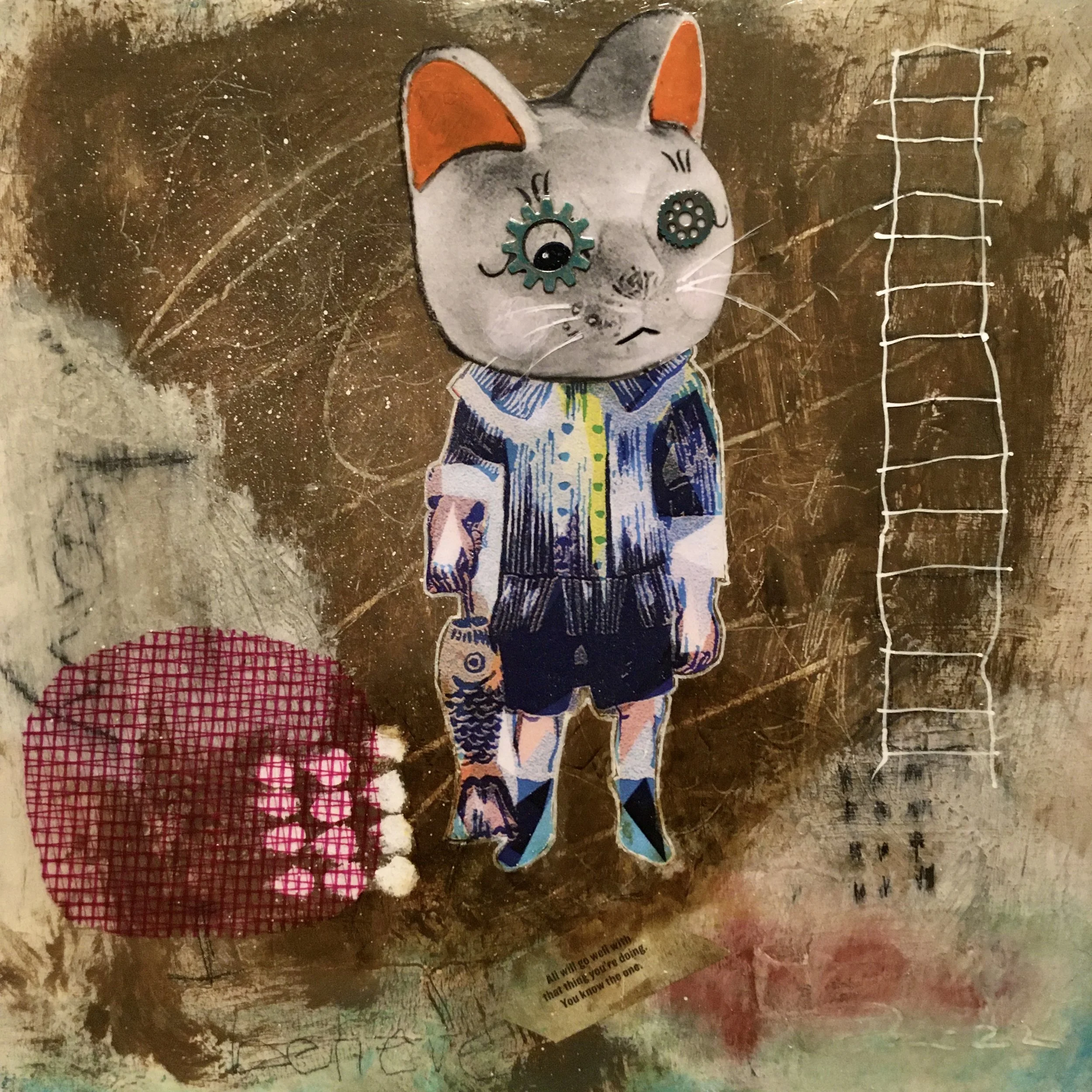
Japanese folklore threads through this work, most often through kitsune, the shape-shifting fox tied to transformation and guardianship. That figure isn't just inherited iconography for me — it's autobiography. Shapeshifting is what you learn to do when you're reading every room to figure out which version of yourself fits where you are.
My work is personal, but it doesn't stop at the personal. It carries the same questions of care and justice that shaped my family's story — housing insecurity, the incarceration of Japanese Americans, and the ongoing fight against displacement and state violence today. Memory, for me, is never just nostalgia. It's an ethical obligation to the present.
In 2025, I was part of Brown Palms, Yellow Balms: Reinventing Caregivers of Color, an exhibition co-presented by the Asian American Women Artists Association (AAWAA) and the Asian Pacific Islander Cultural Center (APICC) at SOMArts Cultural Center in San Francisco. Curated by O.M. France Viana, the show brought together over 50 artists to look at caregiving not as quiet sacrifice, but as something more defiant — an act of resistance and radical love rooted in AAPI history and experience.
My installation, A Promise Unspoken, was part of that conversation.